top of page

Magazine Articles

Wild burros have roamed the American West for centuries, often misunderstood and undervalued. Yet, these hardy equines play a vital role in maintaining the balance of this unique ecosystem. Advocates for wild horses and burros emphasize the importance of keeping these animals wild, not only for their own survival but for the health of the environment they inhabit. This article explores the top five reasons why wild burros need to remain wild, highlighting their ecological contributions and the broader conservation efforts that support them.


Rescued burros at Skydog Ranch and Sanctuary make eye contact while standing in the sanctuary's open and natural environment. A black-and-white image captures the shadows and varied fur textures of a group of donkeys on a dirt path surrounded by trees.
Rescued wild burros at Skydog Ranch and Sanctuary Photo: WeAnimals.org

1. Wild Burros Help Maintain Plant Diversity


Wild burros graze selectively, which helps control the growth of certain invasive plant species. Their feeding habits promote a diverse plant community by preventing any one species from dominating the landscape. This selective grazing supports a variety of native plants, which in turn provides food and habitat for other wildlife.


For example, in areas where wild burros are present, native grasses and shrubs tend to flourish more than in regions where burros have been removed. This diversity is crucial for sustaining pollinators, small mammals, and birds that rely on a range of plants for survival.


2. They Support Water Access for Multiple Species


Wild burros are known as natural well-diggers. They use their hooves to dig into dry stream beds and arid soil, creating water holes that collect rainwater and groundwater. These water sources become critical for vertebrate species, including birds, reptiles, and mammals, especially during dry seasons.


By maintaining access to water in harsh environments, wild burros indirectly support the survival of many other species. This behavior highlights their role as ecosystem engineers, shaping the landscape in ways that benefit a broad range of animals.


Dr. Erick J. Lundgren is one of the top experts in the world on wild horse and burro ecology, with two peer-reviewed papers published in the highly prestigious journal Science. Dr. Lundgren and a team of researchers "detected 59 vertebrate species at equid wells, of which 57 were recorded drinking." In addition, the"results suggest that equids, even those that are introduced or feral, are able to buffer water availability, which may increase resilience to ongoing human-caused aridification."


3. Wild Burros Contribute to Soil Health


The movement and grazing patterns of wild burros help aerate the soil and distribute seeds across large areas. Their hooves break up compacted soil, allowing water to penetrate more easily and encouraging plant growth. Additionally, their droppings act as natural fertilizer, enriching the soil with nutrients.


By grazing on grasses, shrubs, and other plants, they contribute to the overall health of the landscape, preventing overgrowth and allowing for a diverse range of flora to thrive. This grazing behavior can stimulate new plant growth, benefiting other wildlife species that rely on a healthy and varied ecosystem. Moreover, wild burros are known to create pathways through dense vegetation, which can facilitate movement for other animals and promote biodiversity.


Healthy soil supports robust plant communities, which are essential for preventing erosion and maintaining the overall stability of the ecosystem. This natural process is a key reason why conservation efforts focus on preserving wild burro populations.


A rescued burro stands backlit by golden light, facing the camera, in the natural landscape at Skydog Ranch and Sanctuary. Soft light highlights its ears and mane, creating a serene and warm atmosphere.
A rescued burro stands backlit by golden light in the natural landscape at Skydog Ranch and Sanctuary.

4. They Provide a Living Link to the Region’s History


According to Conservation Scientist, Nicole Hayes, in a recent article by American Wild Horse Conservation, "Wild burros are a fascinating and often misunderstood part of the American West. These descendants of African and Middle Eastern donkeys were brought to North America by Spanish colonists in the 1500s and have since adapted to the harsh landscapes of the American Southwest. Far from being a burden on the environment, wild burros play a unique and essential ecological role, embodying resilience and contributing to the health of desert ecosystems."


Historically, these animals were utilized for various purposes, including transportation and labor, particularly in mining operations and agricultural settings. However, as their practical utility diminished with the advent of modern machinery and transportation methods, many burros were left to roam freely, leading to the establishment of wild populations across the region.


Today, these wild burros are often seen wandering through the deserts and canyons, embodying a spirit of independence and tenacity. Far from being a burden on the environment, wild burros actually play a unique and essential ecological role within their habitats.


Equine advocacy groups emphasize that wild burros are not just animals but symbols of resilience and freedom. Their continued presence enriches the cultural landscape and offers educational opportunities for communities and visitors.


5. Conservation of Wild Burros Supports Broader Ecosystem Health


Conservation efforts are increasingly recognizing the importance of protecting wild burros, not only for their historical and cultural significance but also for their role in maintaining the ecological integrity of the American Southwest. \


Wild burros are more than just survivors of a tough environment. They are essential contributors to the health and diversity of the American West ecosystem. Their role as natural well-diggers, selective grazers, and soil enhancers supports a wide range of species and helps maintain the balance of this fragile landscape.


Wide angle view of four rescued wild burros gaze into the camera while they stand in the natural environment of the 9,000-acre Skydog Ranch and Sanctuary.
Three rescued wild burros enjoying their freedom on a desert hillside, supporting native plant growth and ecosystem balance in the natural environment of the 9,000-acre at Skydog Ranch and Sanctuary.

Wild Burros Are Essential for the American West Ecosystem

In conclusion, wild burros are more than just a remnant of colonial history; they are resilient survivors that embody the spirit of the American West. Their contributions to desert ecosystems are invaluable, and understanding their role can foster a greater appreciation for these remarkable animals and the unique environments they inhabit.


For more information about how wild burros positively impact arid ecosystems, take a moment to watch American Wild Horse Conservation's fascinating video with Dr. Erick Lundgren, a leading global authority on wild horse and burro ecology. His understanding of the role wild horses and burros play in desert ecosystems is vital not only for equids but also for comprehending and conserving the natural ecosystems they inhabit.


Help raise awareness by sharing this article and video!


American Wild Horse Campaign is now American Wild Horse Conservation


  • Writer: Neda DeMayo & Christina Tsirkas
    Neda DeMayo & Christina Tsirkas
  • Sep 2, 2024
  • 7 min read

A photograph of Spirit, the Kiger mustang stallion who was the muse for the animation team for Dreamwork's 2002 animated film, "Spirit: Stallion of the Cimarron." equustyle.com
Spirit, the Kiger mustang stallion who was the muse for the animation team for Dreamwork's 2002 animated film, "Spirit: Stallion of the Cimarron." Now 29 years young, Spirit still enchants people of all ages from across the globe who visit him at Return to Freedom's American Wild Horse Sanctuary in Central Costal California. Photo: Ondrea Hidley

In 1997, Neda DeMayo founded Return to Freedom (RTF), a national non-profit wild horse conservation organization. In 1998, RTF opened a sanctuary in the rolling hills off California’s Central Coast to give back some of what these wild horses lost when captured. The sanctuary’s precedent-setting focus is in keeping rescued family bands of wild horses intact and educating the public about the diversity, lives, and challenges of these closely bonded sentient beings.


Wild horses enjoying their freedom at Return to Freedom's American Wild Horse Sancturay.  equustyle.com
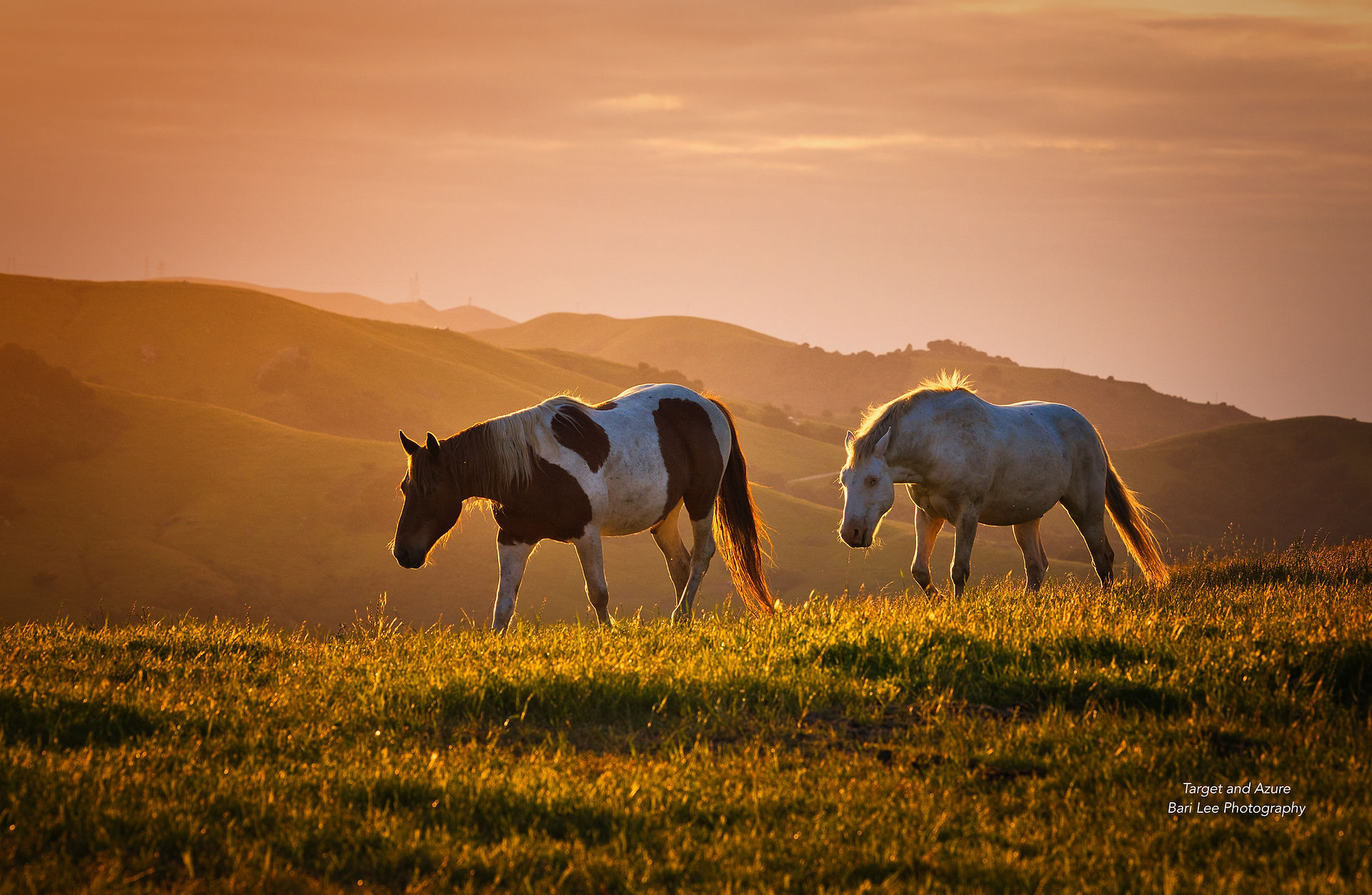
Return to Freedom’s American Wild Horse Sanctuary provides a forever home for wild horses and burros. RTF protects family and social bands for their lifetime. After the rescue is over, RTF needs your ongoing support to make this possible. Photo: Bari Lee

“I wanted to create a place where people of all ages could experience that horses live in herds…that these herds are made up of smaller family and bachelor bands who suffer immensely, just as we would, when ripped from their families, their freedom, and from everything they know,” Neda DeMayo.


While the majority of Americans are unaware that wild horses still roam some of the most desolate and remote areas in the West, for decades, the American mustang has been fighting for survival on the front lines of a battle over the use of precious natural resources—forage and water.


Long seen by ranchers as an invasive nuisance and competition with their livestock for forage and water, wild horses have suffered brutal persecution. In the 1950s and 1960s, the inhumane treatment they suffered was exposed.


For the past twenty-six years, RTF has been at the forefront of wild horse conservation, identifying and pioneering minimally-intrusive solutions at its sanctuary that can be implemented on the range for long-term herd management to keep wild horse and burro herds wild and free. As a solution focused organization, RTF collaborates with a broad range of stakeholders including advocates, animal welfare organizations, sanctuaries, land owners, diverse associations, agencies and legislators. RTF bases its work on guidance from leading scientists in genetics, ancient DNA research, proven safe and humane fertility control, and regenerative holistic land management.


A photograph of wild horses near a waterhole at Return to Freedom, American Wild Horse Conservation. equustyle.com
The waterhole. Return to Freedom uses regenerative holistic grazing practices at its sanctuary. By imitating natural herd movement of grazers when large predator populations were present, we can restore balance in our ecosystems. By managing under grazing and overgrazing, more water can be absorbed into the root systems- diverse native grasses return, waterholes are healthier, replenished and sustained throughout the seasons. Photo: Meg Frederick Photography

“True conservation is only possible when all stakeholders have a voice and a shared desire to protect a resource. Time has taught us that we conserve what we love, we love what we understand, we understand what we are taught.” Neda DeMayo

Conservation

Return to Freedom, Wild Horse Conservation's work focuses on three main areas:

  • Humane Fertility Control -Population management utilizing a non-hormonal reversible fertility control.  In 1999, RTF was the fourth project in the world to use fertility control on large populations of mares under the guidance of the Science and Conservation Center

  • Historical Herd Preservation- Conservation program to preserve the earliest strains of Spanish mustangs that are at risk of disappearing, such as the Choctaw Indian Pony, Colonial Spanish Mission Horses, early Sorria types as seen throughout various herds including the Sulphur Springs herd. These horses were the foundation of the American mustang and became more diverse as larger breeds came to North America and returned to a natural state over the past few hundred years

  • Regenerative Holistic Land Management


A woman taking photos of wild horses at Return to Freedom Wild Horse Sancturay in San Luis Obispo, California. equustyle.com
Return to Freedom hosts experiential programs and events in nature’s classroom for all ages. Wild horse photo safaris, herd immersion, tours, workshops and more! For more information: https://returntofreedom.org/visit/ Photo: Cathy Wallace

Sanctuary:

Return to Freedom’s American Wild Horse Sanctuary:

  • Intact Family & Bonded Bands-Keeps family and bachelor bands together, from the range to sanctuary or reuniting after capture

  • Wild Horses & Burros-Currently provides sanctuary for 500 wild horses and 50 burros

  • Senior & Special Needs-Currently maintains a senior population of 60 horses over the age of 27

  • Rescue-Has rescued over 2,000 horses independently and through collaborative efforts


Education:

Return to Freedom reaches hundreds of thousands of people through programs, events, multi-media and film.

  • Programs & Events-RTF hosts experiential learning programs at two of its locations, providing private tours, photo safaris, herd immersions, and a variety of equine workshops for hundreds of visitors of all ages each year

  • Herd Immersion & Observation-Visitors learn through sensitive observation in nature’s classroom

  • Regenerative Holistic Land Management-RTF’s natural herd and land management are the foundation of its educational initiatives

  • Volunteering-RTF has a volunteer program, including an “In Residence” option for volunteers who want to help at the sanctuary for an extended period

  • Native Species-RTF educates that the horse is native to North America


Advocacy:

Return to Freedom has developed a unique, nationally respected voice on policy issues by advocating for humane, science-based wild horse management alternatives rooted in its decades of hands-on experience with hundreds of wild horses.

  • Ending Roundups-RTF advocates for the redirection of funds spent on expensive and traumatic roundups toward viable and minimally intrusive alternatives that would enable wild horses and burros to remain on their rangelands

  • Fertility Control-RTF continues to tirelessly advocate for the use of non-hormonal, reversible, proven safe and humane fertility control on the range for wild horses and burros. Fertility control was initially mocked by the BLM and other stakeholders, but RTF persevered, advocating that slowing down—not ending—reproduction, was a viable alternative to endless roundups and warehousing tens of thousands of once wild and free horses and burros

  • Selective litigation

  • Ending Horse Slaughter-RTF is a leading voice in the fight to permanently ban horse slaughter in the United States as well as the export of American horses for slaughter


A small herd of wild horses grazing on a hillside at Return to Freedom, Wild Horse Conservation.  equustyle.com
Hart Mountain Herd. Photo: Cathy Wallace

“The BLM needs a proud vision for America’s mustangs,” says Celeste Carlisle, RTF biologist. “The BLM has the tools but needs to nourish a culture shift to achieve a non-lethal, multi-faceted approach to manage healthy herds on healthy rangelands across the West. The antiquated and traumatic capture and removal policies are treacherous, inhumane, and are not a long-term solution. The battle over the use of our public land grazing and water resources is not about how many livestock versus how many horses but rather how grazing is managed on the land.”


RTF has embraced holistic regenerative grazing practices at its sanctuary and considers these practices critical to addressing the impact from climate change and long-term solutions on the range.


“Mustangs have long been the scapegoats for the mismanagement of public land grazing,” explains DeMayo. “Whether grazing livestock or wild horses, if we implement holistic management practices, grazing mammals are part of the solution not the problem. At the sanctuary we have been able to take overgrazed and under-grazed areas and, in just 3 years, restore diversity in insects, wildlife, grasses, legumes, and increase the duration of water holes.”


In addition to its advocacy work, RTF continues to execute large-scale rescues to further its original mission of keeping family bands intact.


Most recently, in December 2023, in collaboration with colleague organizations,  RTF rescued 46 members of the Alpine herd that were removed from their home in the Apache National Forest in Arizona. The captured horses ended up at an auction in Bowie, Texas, where thousands of horses are purchased by kill buyers and sent to Mexico for slaughter.


Since arriving at RTF’s sanctuary in Lompoc, California in 2024, 11 Alpine foals have been born, bringing the total number rescued to 57. RTF is now responsible for the lifelong care of these magnificent animals, which is as costly as it is rewarding. Working collaboratively, in 2023- 2024, RTF also rescued 20 burros at risk of being sold for slaughter.


Sponsorships not only help offset the cost of these large-scale rescues, but also allow RTF to continue its mission of conserving America’s wild horses in the long run so that future generations will be able to see them running free on our public lands.


Please consider sponsoring a horse, burro, or herd. Sponsorships also make great gifts all year long!  With your support, these animals will be able to live out their lives as close to free as possible alongside their family bands.


If you are interested in visiting RTF, sign up for a tour, workshop or program.


To learn more about RTF, visit ReturnToFreedom.org.


THE ISSUE


Public pressure led to the passage of the Wild and Free-Roaming Horses and Burros Act at a time when herds were vanishing.


The 1971 law handed oversight of wild horses and burros mainly to the Bureau of Land Management (BLM). The agency set a maximum population target of 26,785 wild horses and burros — fewer than 1,500 more than when the law was enacted out of concern for their survival — on Herd Management Areas in 10 Western states.


The BLM operates under a mandate that it manages our public lands for “multiple uses.” These include other wildlife, energy extraction, recreation and the grazing of private livestock that greatly outnumber wild horses.


For decades, the agency has failed to control wild herd numbers by using helicopters to chase horses and burros into trap sites before shipping them away from their home ranges.


The BLM has chosen not to use a tool that Return to Freedom and a majority of wild horse advocates and other rangeland stakeholders now support: proven, safe and humane fertility control. Used right, it would slow reproduction.


The BLM says it will use fertility control, but only after it reaches its population targets. Population modeling by ecologists shows fertility control must be implemented immediately if capture-and-removal is to ever be phased out.


Over the past five years, the BLM removed 57,997 wild horses and burros from the range while treating and releasing with fertility control just 4,936.


In March, the BLM estimated 73,520 wild horses and burros still roamed the ranges that the agency manages.


Tragically, nearly as many—63,000 captured wild horses and burros—are being warehoused in overcrowded corrals or on leased pastures at an ever-growing cost to taxpayers of more than $109 million annually.


WILD HORSES ARE NATIVE TO NORTH AMERICA

Wild horses are a reintroduced native wildlife species. The horse originated in North America 53 million years ago and went through all its adaptations, including its last adaptation leaving the world the one toed horse, Equus Caballus, on this continent.  Over millions of years, in an ongoing migratory journey across the Bering Land Bridge, the horse travelled throughout Eurasia, across the Iranian Plateau and dispersed throughout the world.

DNA evidence shows that the horse remained in North America at least as recently as 5,000 years ago. How they disappeared — if, in fact, they ever actually became extinct here — is a mystery. When Cortez landed in Mexico in 1519, he brought horses from Spain. Others followed. From these reintroduced animals came the great numbers of wild horses that eventually changed the culture of the Plains Indians. The Spanish horses soon adapted to the same ecological niche their native relatives had once thrived in. Long before the early settlers pioneered the West, the wild horses were already there as a reintroduced, fully adapted wildlife species.


EquuStyle Art & Travel magazine thanks Neda DeMayo, Founder and President, Return to Freedom Wild Horse Conservation and Christina Tsirkas, writer and wild horse advocate for their comprehensive article, beautiful photographs by professional photographers, and the holistic regenerative grazing video.


All images copyright Return to Freedom, Wild Horse Conservation -all rights reserved. Cannot be reproduced for any purpose without permission from the professional photographers or Return to Freedom, Wild Horse Conservation.


Subscribe to get exclusive updates

Subscribe today and receive a quarterly email to inform you about the upcoming

digital issue of EquuStyle Art & Advocacy Magazine.

Share via

© Copyright Protected

EquuStyle Magazine ©2023-2025 EquuStyle.com All rights reserved.

Privacy Policy

bottom of page